
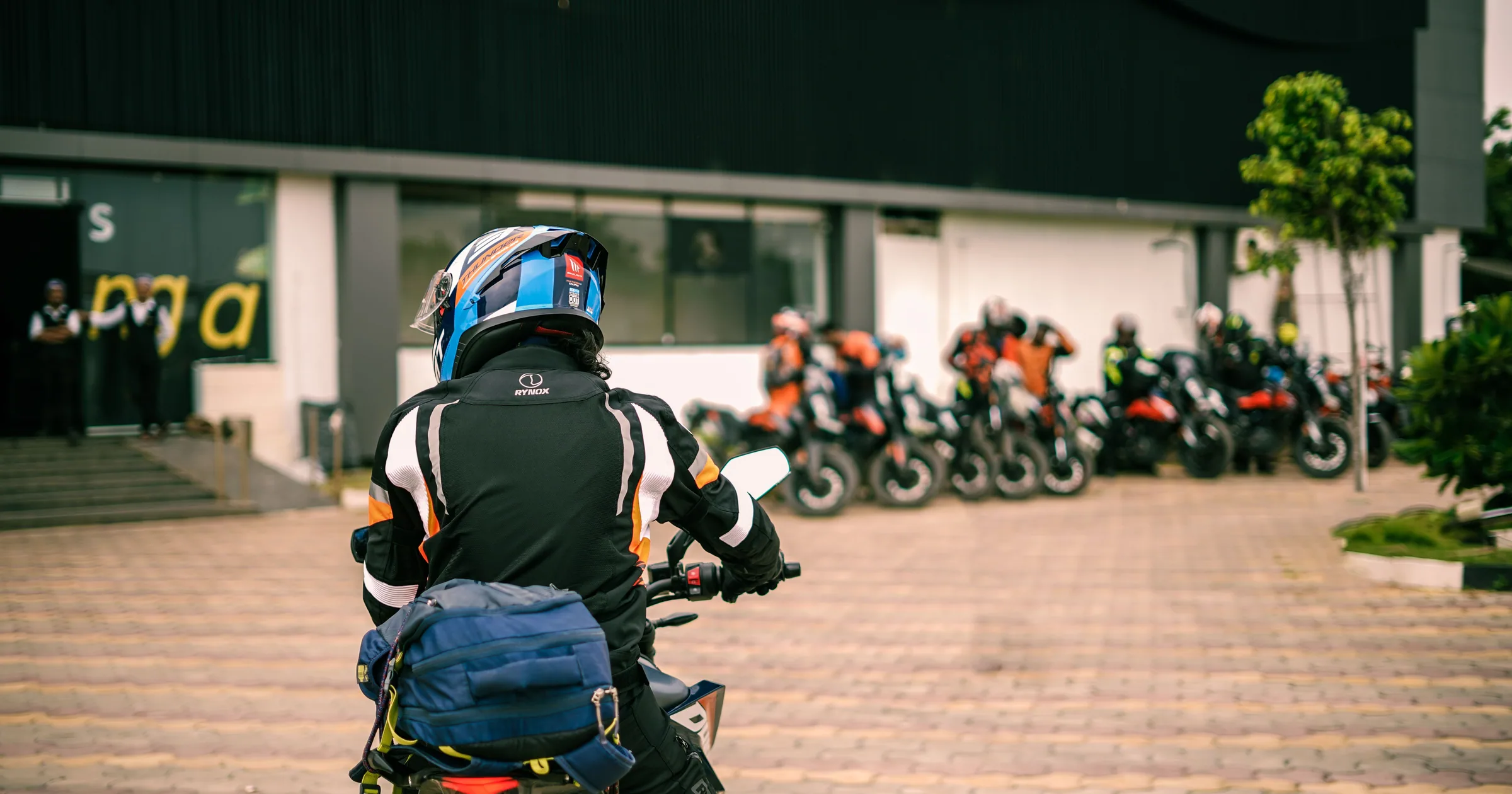
How to Organize a Motorcycle Group Ride (Without the Stress)
Planning a motorcycle group ride should be exciting, not stressful. Whether you're organizing a weekend ride with a few friends or coordinating dozens of riders for a community event, keeping everyone informed can quickly become challenging. From deciding on a route to managing last-minute updates, a successful ride depends on good planning and clear communication.
This guide walks you through everything you need to know to organize a motorcycle group ride that riders will enjoy and remember.
Why Good Planning Matters
A well-organized ride is safer, more enjoyable, and less likely to run into unexpected issues. Riders know where they're going, what to expect, and who to contact if plans change.
Poor planning, on the other hand, can lead to:
- Riders getting lost
- Confusion about meeting locations and departure times
- Safety risks due to unclear riding formations
- Missed stops and unnecessary delays
- Constant messages across multiple group chats
Spending a little time planning beforehand makes the ride smoother for everyone.
Step 1: Define the Purpose of the Ride
Every great ride starts with a purpose. Ask yourself:
- Is it a casual weekend ride?
- A scenic road trip?
- A charity ride?
- A motorcycle community meetup?
- A ride to a special event?
Knowing the purpose helps determine the route, schedule, and the type of riders you want to invite.
Step 2: Choose the Right Route
Your route should match the experience level of your riders. When planning, consider:
- Road quality
- Traffic conditions
- Fuel stations
- Rest stops
- Food locations
- Scenic viewpoints
- Emergency services along the route
Before the ride, test the route if possible. This helps you identify construction, road closures, or other issues that could affect the group.
Step 3: Pick a Meeting Point
Choose a location that's easy for riders to find and has enough parking. Good meeting locations include:
- Coffee shops
- Gas stations
- Public parking lots
- Motorcycle dealerships
- Popular rider meetup spots
Share:
- Exact location
- Departure time
- Arrival time for early check-in
- Parking instructions if necessary
Always encourage riders to arrive at least 15–30 minutes before departure.
Step 4: Set Ride Rules Before Leaving
A pre-ride briefing helps everyone understand what to expect. Cover topics like:
- Riding formation
- Speed expectations
- Overtaking rules
- Hand signals
- Fuel stops
- Break schedules
- Emergency procedures
- What to do if someone becomes separated from the group
Clear expectations reduce confusion once the ride begins. For tips on how riders should behave once the group is moving, see our motorcycle group ride etiquette guide, and make sure everyone knows the motorcycle hand signals you plan to use on the road.
Step 5: Keep the Group Size Manageable
Large groups can become difficult to coordinate. If you're expecting many riders, consider splitting into smaller groups with experienced ride leaders and sweep riders. This makes communication easier and improves safety throughout the journey.
Step 6: Make Communication Simple
One of the biggest challenges of organizing a group ride is communication. Questions start coming in:
- Where are we meeting?
- Has the route changed?
- Who's coming?
- Are we stopping for lunch?
- What time do we leave?
Instead of answering the same questions repeatedly across WhatsApp, Facebook, Instagram, or text messages, keep all ride details in one place that everyone can access.
Step 7: Track RSVPs
Knowing who's actually attending helps you plan better. Keeping track of riders allows you to:
- Estimate group size
- Plan fuel and rest stops
- Notify everyone about schedule changes
- Contact riders if necessary
Without a clear attendee list, it's easy to lose track of who's coming.
Step 8: Share Ride Details Easily
Many organizers spend hours posting the same information across different platforms. Instead, create one page containing:
- Ride description
- Meeting location
- Route information
- Date and time
- Rider guidelines
- RSVP details
Then share the same link anywhere your community already gathers—whether that's WhatsApp groups, Facebook communities, Instagram Stories, Discord servers, or email.
Step 9: Prioritize Safety
Safety should always come first. Before leaving, encourage every rider to:
- Wear appropriate protective gear
- Inspect their motorcycle
- Fill up the fuel tank
- Carry emergency contact information
- Bring water and basic tools
- Charge their phone
A simple pre-ride checklist can prevent many common issues.
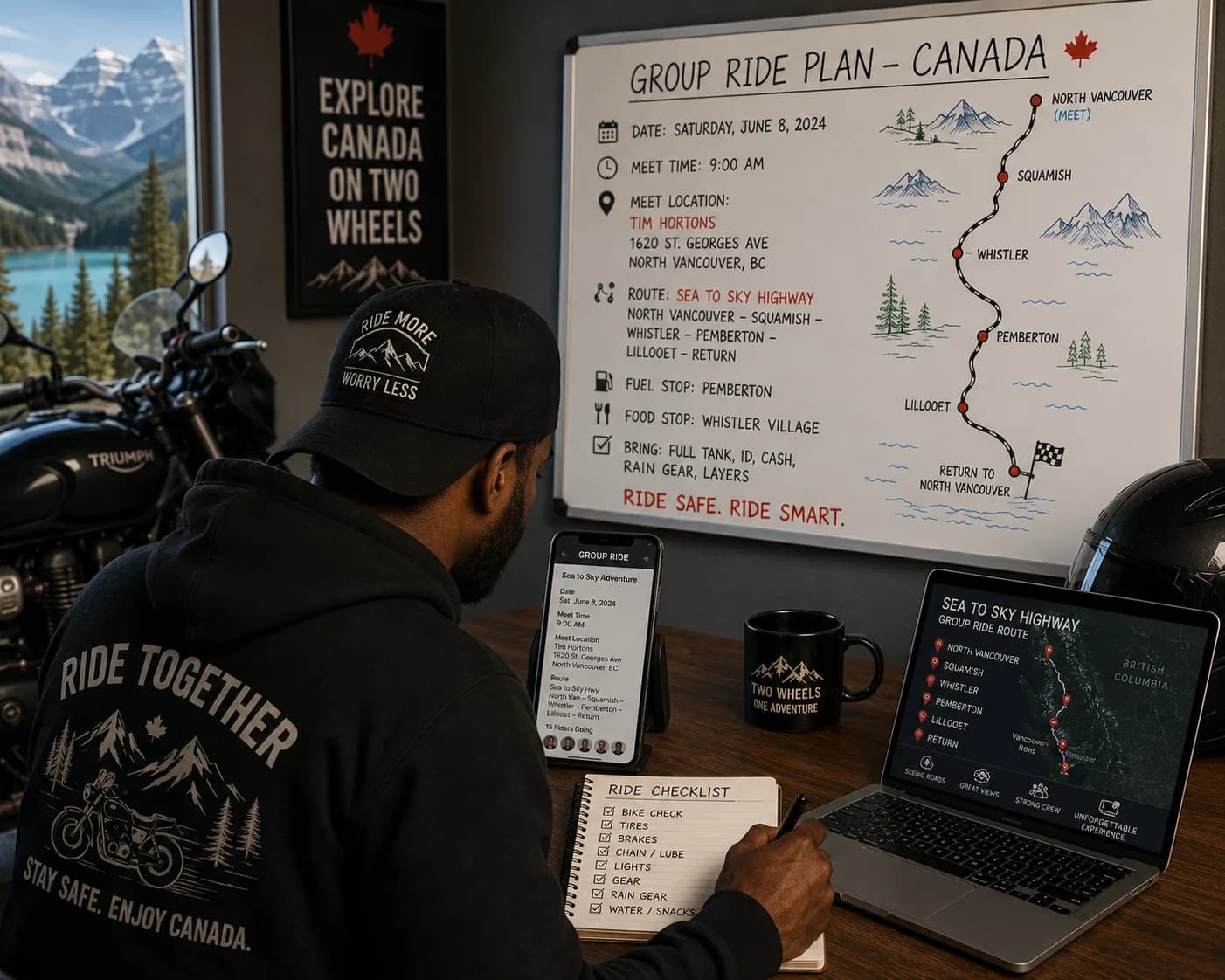
Motorcycle Group Ride Checklist
Before your ride, make sure you've completed the following:
- Choose a destination
- Plan and test the route
- Set a meeting location
- Decide on departure time
- Share ride rules
- Confirm attendees
- Plan fuel and rest stops
- Check weather conditions
- Prepare emergency contacts
- Share ride information with everyone
Common Mistakes to Avoid
Even experienced organizers make mistakes. Here are a few to watch out for:
- Choosing routes without checking current road conditions
- Inviting riders without clear instructions
- Making last-minute changes without notifying everyone
- Allowing groups to become too large without additional ride leaders
- Relying on multiple chat groups for important updates
Avoiding these issues leads to a more enjoyable experience for everyone involved.
Make Organizing Group Rides Easier with Tribes
Planning a motorcycle group ride doesn't have to involve endless messages and scattered information. With Tribes, you can create a dedicated ride page that includes everything riders need:
- Ride details
- Meeting point
- Date and time
- Route information
- RSVP tracking
Once your ride page is ready, simply share one link across your WhatsApp groups, social media, riding communities, or anywhere your riders are already connected.
Whether you're organizing a casual weekend ride or a large community event, Tribes helps keep everyone on the same page so you can spend less time coordinating and more time riding.
Frequently Asked Questions
How many riders should be in a motorcycle group?
There isn't a fixed number, but groups of 6–10 riders are generally easier to manage. For larger rides, divide participants into smaller groups with designated ride leaders.
What is the best way to organize a motorcycle group ride?
Start by choosing a route, setting a meeting point, sharing clear ride guidelines, tracking RSVPs, and keeping all ride information in one place that participants can easily access.
How do I invite people to a motorcycle ride?
You can invite riders through existing communities such as WhatsApp groups, Facebook groups, Instagram, Discord, email, or local riding clubs. Sharing a single ride page with all the details makes it easier for everyone to stay informed.
Should beginners join group rides?
Yes, as long as the ride matches their skill level and expectations are communicated clearly before departure. New riders should let the organizer know they're beginners so the group can ride at a comfortable pace.