
Beginner's Guide to Group Motorcycle Riding: Everything You Need to Know Before Your First Ride
There's something special about riding with other motorcyclists. The shared excitement before the engines start, the camaraderie at fuel stops, and the unforgettable roads you discover together are experiences that solo riding simply can't replicate.
If you've never joined a group ride before, it's normal to feel a little nervous. You may be wondering whether you're experienced enough, what the expectations are, or if you'll be able to keep up with the rest of the group.
The good news is that most riding groups welcome beginners who come prepared, ride responsibly, and have a positive attitude. This guide will walk you through everything you need to know before your first group motorcycle ride.
What Is a Group Motorcycle Ride?
A group motorcycle ride is exactly what it sounds like—a ride where two or more motorcyclists travel together along a planned route.
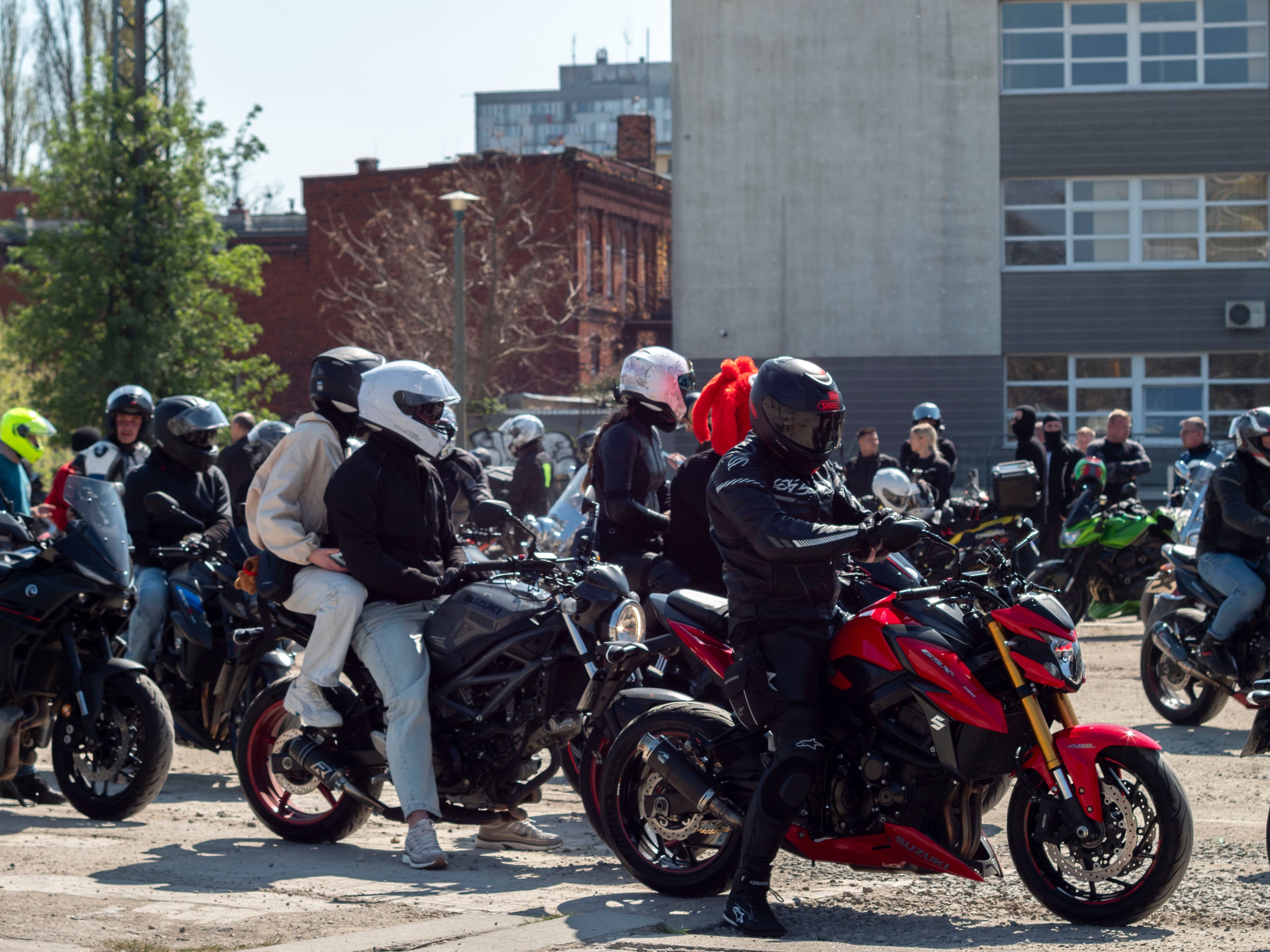
Some group rides involve just a handful of friends heading out for breakfast, while others can include hundreds of riders participating in charity events, rallies, or weekend adventures. Regardless of size, every successful group ride has three things in common:
- A planned route
- Clear communication
- Respect for every rider in the group
Why You Should Join a Group Ride
If you've mostly ridden alone, joining a group can completely change your riding experience.
Learn From Experienced Riders
Every ride is an opportunity to improve your skills. You'll observe how experienced riders:
- Approach corners
- Maintain safe following distances
- Communicate with hand signals
- Handle changing road conditions
You don't need to imitate them immediately, but simply riding alongside experienced motorcyclists can make you a more confident rider over time.
Discover New Roads
One of the biggest advantages of group rides is discovering routes you may never have found on your own. Local riders often know:
- Scenic backroads
- Coastal highways
- Mountain passes
- Great coffee stops
- Hidden viewpoints
- Motorcycle-friendly restaurants
Every ride becomes a chance to explore somewhere new.
Build Your Confidence
Confidence comes with experience. Group rides expose you to different riding situations in a supportive environment, helping you become more comfortable riding with others while expanding your skills.
Become Part of the Motorcycle Community
Motorcycling isn't just about the bike, it's about the people. Many lifelong friendships begin with a simple group ride.
Whether you're looking for weekend adventures, touring partners, or local riding buddies, group rides are one of the easiest ways to become part of the motorcycle community.
Choosing the Right Ride
Not every ride is suitable for beginners. Before signing up, ask the organizer:
- Is this ride beginner-friendly?
- Approximately how many miles or kilometers will we cover?
- What type of roads will we be riding?
- How long will the ride last?
- Will there be scheduled fuel and rest stops?
Starting with shorter, relaxed rides will help you gain confidence before taking on longer or more challenging routes.
Prepare Before You Ride
Preparation is one of the easiest ways to reduce stress on ride day.
Inspect Your Motorcycle
Take a few minutes to check:
- Tire pressure
- Brakes
- Lights
- Oil level
- Fuel level
- Chain or belt condition
A quick inspection can prevent mechanical problems and help ensure a smoother ride. For the full run-through, see the ultimate motorcycle ride checklist.
Wear Proper Riding Gear
Even if the ride is short, wear appropriate protective gear. Essentials include:
- DOT, ECE, or equivalent certified helmet
- Riding jacket
- Gloves
- Protective pants
- Riding boots
- Eye protection if required
Dress for both safety and the expected weather conditions.
Arrive Early
Showing up 15 to 20 minutes before departure gives you time to:
- Meet other riders
- Ask questions
- Attend the rider briefing
- Refuel if necessary
- Relax before the ride begins
Rushing to the meeting point is never a good way to start the day.
Tell the Ride Leader You're New
Don't worry about admitting you're a beginner. In fact, you should. A good ride leader appreciates knowing everyone's experience level because it helps them organize the group more effectively. They may:
- Pair you with experienced riders
- Explain the riding formation
- Offer additional advice
- Answer questions before departure
Most experienced riders remember what it felt like to join their first group ride.
Understanding Riding Formations
One of the biggest surprises for new riders is that group rides follow a structured formation.
Staggered Formation
This is the most common formation. Riders alternate positions within the lane, creating additional space while keeping the group together. A staggered formation improves visibility and provides more reaction time without spreading the group too far apart.
Single-File Formation
The group may switch to single file when:
- Roads become narrow
- Curves become more technical
- Traffic increases
- Visibility decreases
- Road conditions worsen
Always follow the instructions of the ride leader.
Ride Your Own Ride
This is perhaps the most important rule of group riding. Never ride beyond your comfort level simply to keep up with someone else.
If another rider enters a corner faster than you're comfortable with, let them go. Safe riders know their limits, and experienced groups understand this and will never expect beginners to take unnecessary risks.
Learn Basic Hand Signals
Because riders can't always communicate verbally, hand signals are used to pass important information through the group. Before joining your first ride, familiarize yourself with signals for:
- Left turn
- Right turn
- Slow down
- Stop
- Hazard ahead
- Fuel stop
- Single-file formation
Knowing these signals helps everyone ride more safely. Our guide to motorcycle hand signals explains each one with an illustration.
Group Riding Etiquette
Following a few simple etiquette rules helps create a better experience for everyone.
Respect the Ride Leader
The ride leader is responsible for guiding the group safely. Follow their instructions and avoid overtaking unless directed to do so.
Maintain a Safe Following Distance
Leave enough space between you and the rider ahead so you have time to react to unexpected situations.
Ride Predictably
Avoid sudden braking, sharp lane changes, or aggressive acceleration. Smooth riding makes it easier for everyone around you.
Communicate Problems Early
If you need fuel, experience a mechanical issue, or don't feel comfortable continuing, let the ride leader know as soon as possible. For the full set of expectations, read our motorcycle group ride etiquette guide.
Common Mistakes First-Time Riders Make
Even experienced motorcyclists can make mistakes when joining a new group. Avoid these common ones:
- Trying to keep up with faster riders
- Skipping the pre-ride briefing
- Arriving with a nearly empty fuel tank
- Ignoring hand signals
- Riding too close to other motorcycles
- Forgetting to check your motorcycle before departure
- Being afraid to ask questions
Remember, every experienced rider was once a beginner.
Finding Your Riding Community
If you're ready to experience your first group ride, there are plenty of places to start. Look for:
- Local motorcycle clubs
- Community riding groups
- Charity rides
- Dealership events
- Motorcycle rallies
- Online riding communities
Many organizers also use dedicated ride-planning platforms like Tribes to publish upcoming rides and share important details such as meeting points, routes, departure times, and ride requirements. It makes it easier for new riders to know what to expect before they arrive.
Your first group motorcycle ride isn't about being the fastest rider or having the most experience. It's about learning, building confidence, and enjoying the road with people who share your passion for motorcycling.
Prepare your motorcycle, wear the right gear, listen to the ride leader, and ride at a pace that's comfortable for you. The more group rides you join, the more confident you'll become—and before long, you'll be the experienced rider helping someone else prepare for their first ride.
Frequently Asked Questions
Can beginners join group motorcycle rides?
Yes. Many riding groups welcome beginners, especially on rides that are specifically described as beginner-friendly. Always let the organizer know your experience level before the ride.
How many motorcycles are usually in a group ride?
Group rides can range from just a few riders to several hundred participants. Smaller groups are often easier for beginners to manage.
Should I ride at the front or back of the group?
New riders are often encouraged to ride near the back but ahead of the sweep rider. This allows experienced riders to set the pace while ensuring help is available if needed.
What if I can't keep up?
Don't try to ride beyond your ability. Ride at a safe pace and communicate with the ride leader if you have concerns. Responsible groups prioritize safety over speed.
What should I bring on my first group ride?
Bring your riding gear, a full tank of fuel, water, your driver's license, basic tools if possible, and a positive attitude.