
Best Beginner Motorcycles for 2026
Buying your first motorcycle is one of the most exciting moments in your riding journey. It's easy to get caught up in aggressive styling, impressive horsepower figures, or videos of experienced riders tearing through mountain roads.
But here's a piece of advice you'll hear from almost every seasoned motorcyclist: your first motorcycle isn't meant to be your forever motorcycle. Its job is to help you build confidence, learn good riding habits, and develop the skills you'll carry for the rest of your life.
The mistake many new riders make is believing that "bigger is better." In reality, starting with a smaller, more manageable motorcycle often means you'll become a better—and safer—rider much faster. If you're shopping for your first bike in 2026, this guide will help you understand what really matters before you spend your money.
Before You Choose a Bike, Let's Talk About "CC"
One of the first things you'll notice when shopping for motorcycles is the engine size. You'll hear riders say things like "it's only a 300," "you should get a 650," or "don't waste your money on a 250." So what does that actually mean?
CC stands for cubic centimeters, and it's a measurement of an engine's displacement, essentially the volume of the engine's cylinders. In simple terms:
- A larger CC usually means more power and stronger acceleration.
- A smaller CC generally means a motorcycle is easier to control and more forgiving.
It's important to remember that CC doesn't tell the whole story. Two motorcycles with the same engine size can feel completely different depending on their weight, engine design, and intended purpose. For beginners, though, engine size is still a helpful place to start.
What Engine Size Is Best for Beginners?
There's no magic number, but most riding instructors recommend starting with a motorcycle that's powerful enough to keep you interested without being intimidating. Here's a general guide:
- 125–300cc: brand-new riders, city commuting, learning the basics.
- 300–500cc: most beginners looking for a balance of performance and confidence.
- 500–650cc: confident beginners who have completed rider training and understand throttle control.
- 650cc and above: generally better suited to experienced riders.
A smaller motorcycle doesn't make you "less of a rider." In fact, many experienced motorcyclists still enjoy riding smaller bikes because they're lightweight, agile, and simply fun to ride.
Why You Shouldn't Buy the Biggest Bike You Can Afford
It's tempting to think you'll "grow into" a bigger motorcycle. The problem is that bigger motorcycles often come with:
- More weight
- Faster acceleration
- Higher insurance costs
- More expensive maintenance
- Greater consequences when you make beginner mistakes
Your first year of riding is about building muscle memory, learning smooth throttle control, mastering emergency braking, and becoming comfortable in different road conditions. A lighter motorcycle lets you focus on developing those skills instead of managing intimidating power.
Another reason to think carefully about your budget is that many riders eventually trade in their first motorcycle after a year or two, once they've gained more experience. Spending every dollar on your first bike often doesn't make financial sense.
What Makes a Good Beginner Motorcycle?
Before looking at specific models, here are the qualities that matter most. A good beginner motorcycle should be:
- Lightweight and easy to handle
- Comfortable to sit on
- Predictable when accelerating
- Equipped with ABS if possible
- Reliable and inexpensive to maintain
- Affordable to insure
- Comfortable enough to ride regularly
The best beginner motorcycle is the one that encourages you to ride often, not the one that impresses people in a parking lot. For a wider look at the buying process, see our beginner's guide to choosing your first motorcycle.
The Best Beginner Motorcycles for 2026
1. Kawasaki Ninja 500
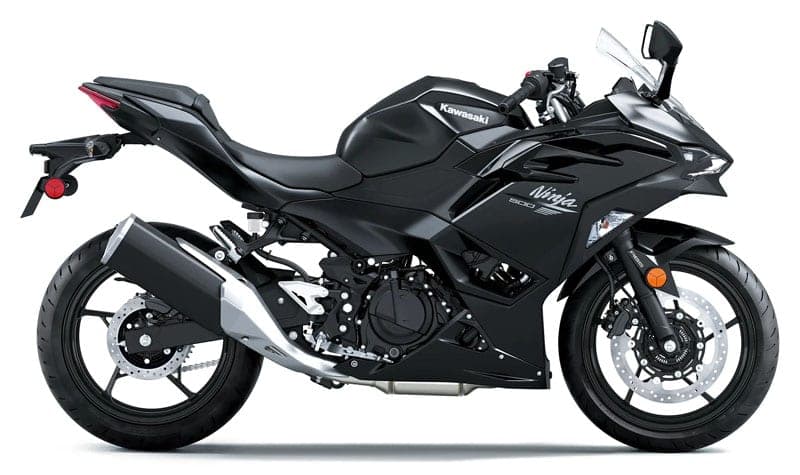
Best for: riders who want a sporty motorcycle without overwhelming power.
The Ninja 500 has taken over from the much-loved Ninja 400 and remains one of the easiest sport bikes to recommend to new riders. Its 451cc parallel-twin engine offers smooth, predictable power, while the riding position is more comfortable than many people expect from a fully faired motorcycle. It has enough performance for highway riding without feeling intimidating.
Engine: 451cc. Why beginners love it:
- Forgiving power delivery
- Lightweight chassis
- Comfortable ergonomics
- Available with ABS
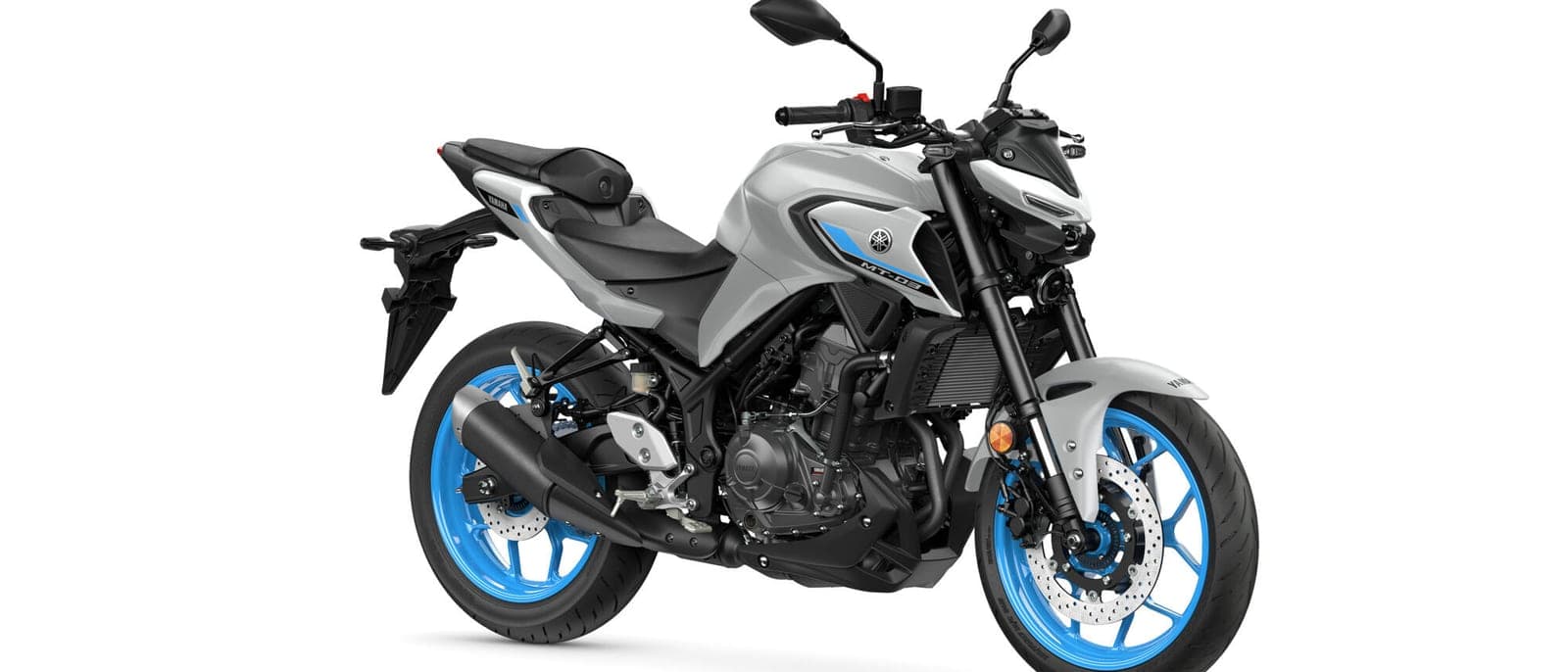
2. Yamaha MT-03
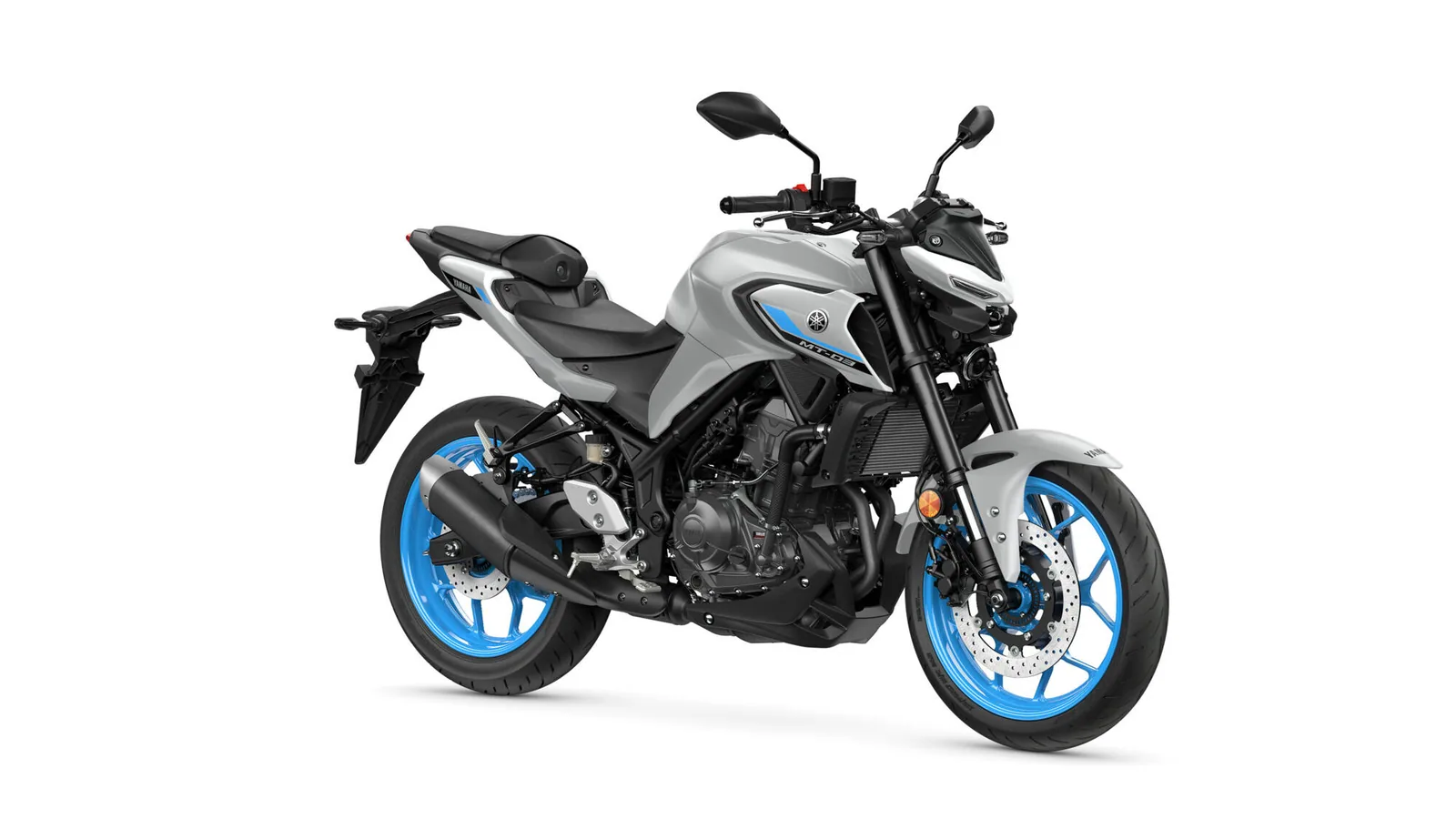
Best for: everyday commuting.
The MT-03 is one of the friendliest naked motorcycles on the market. Its upright riding position makes it comfortable for daily use, while its lightweight chassis inspires confidence in slow-speed traffic and parking lots.
Engine: 321cc. Why beginners love it:
- Easy handling
- Comfortable riding position
- Reliable engine
- Excellent city bike
3. Honda Rebel 500
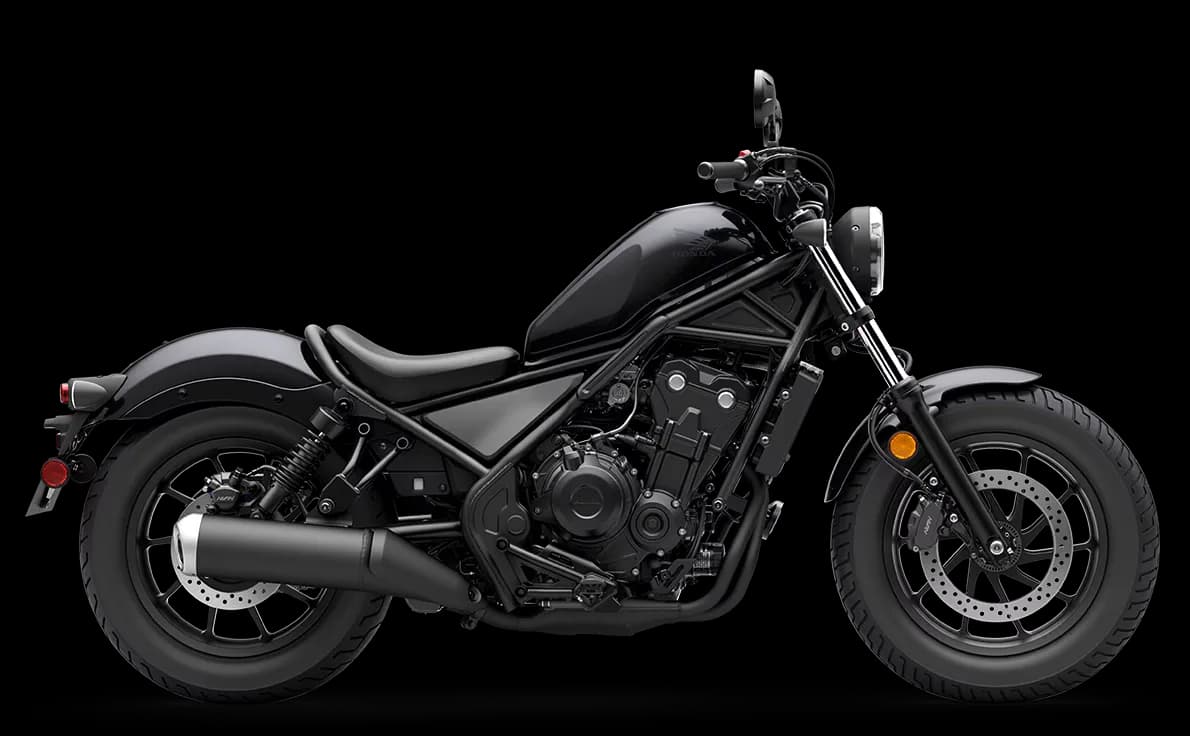
Best for: riders interested in cruisers.
Not everyone dreams of owning a sport bike. The Honda Rebel 500 offers a relaxed riding position, a low seat height, and predictable power delivery that make it especially welcoming for new riders.
Engine: 471cc. Why beginners love it:
- Low seat height
- Easy to maneuver
- Smooth engine
- Comfortable for longer rides
4. Triumph Speed 400
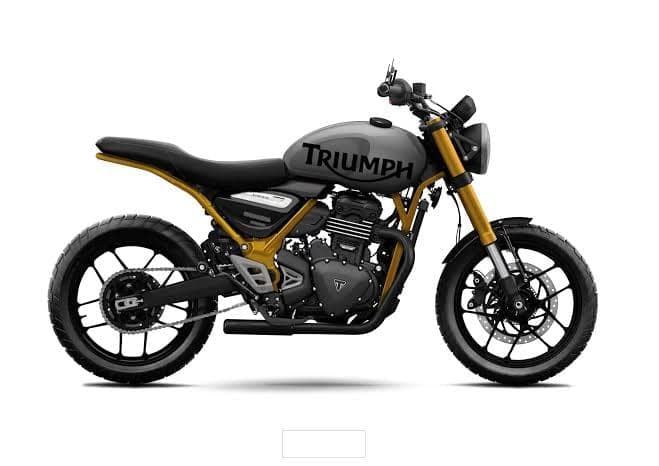
Best for: riders who love classic styling.
The Speed 400 combines modern engineering with timeless design. It's approachable, lightweight, and offers enough performance to keep new riders happy without becoming overwhelming. Since its introduction, it has become one of the standout entry-level motorcycles in the modern-classic category. Engine: 398cc.
5. KTM 390 Duke
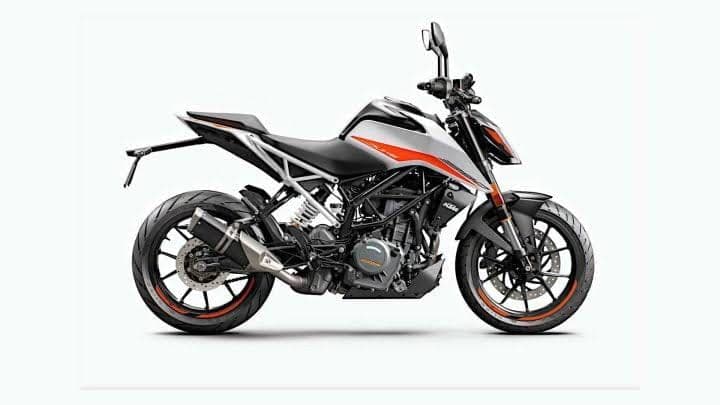
Best for: riders who want something playful.
The KTM 390 Duke is known for its agile handling and lively character. It feels at home in city traffic and on twisty roads, making it a great option for riders who enjoy spirited riding. Engine: 399cc.
6. Royal Enfield Hunter 350
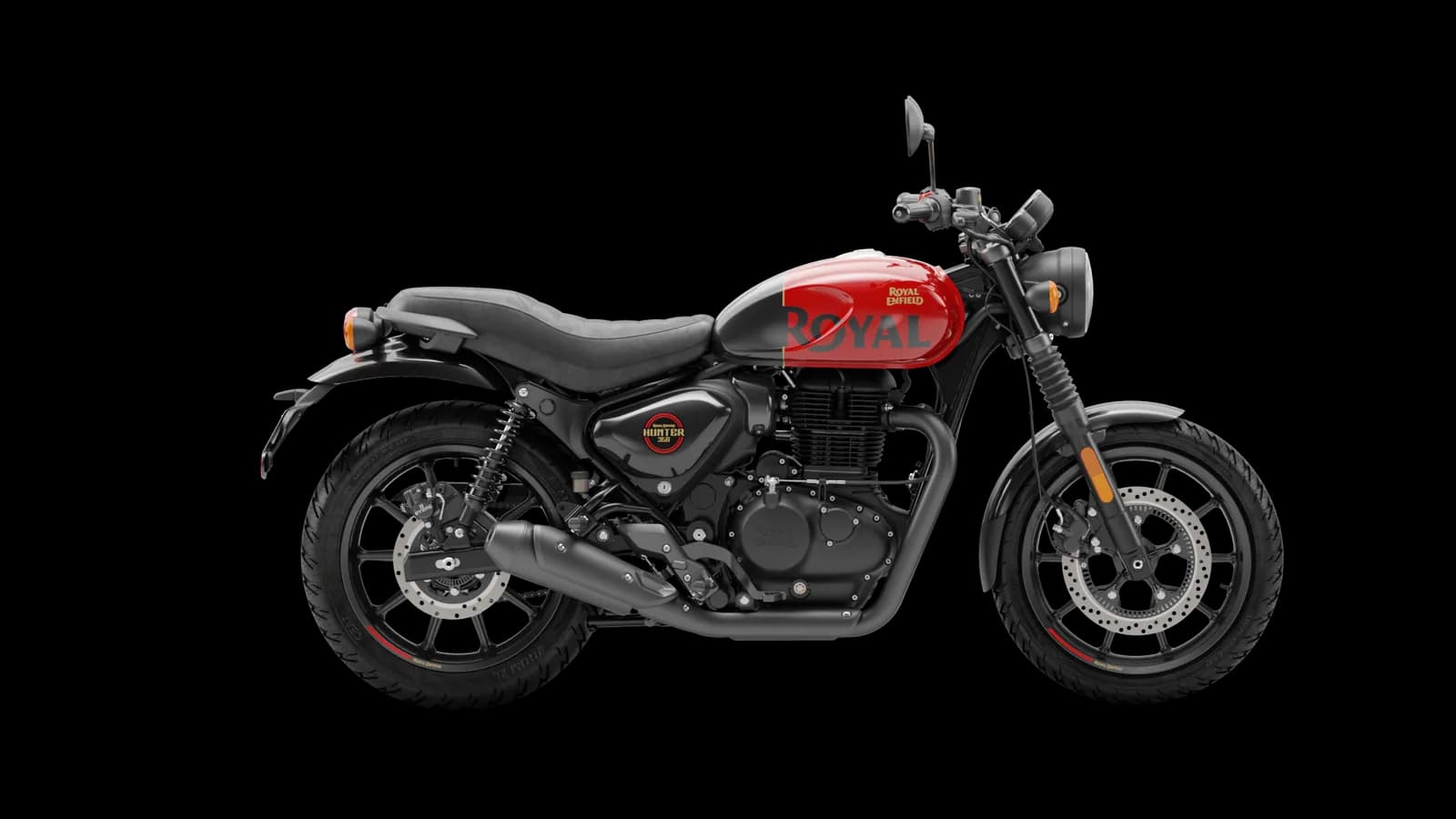
Best for: budget-conscious beginners.
Simple, approachable, and stylish, the Hunter 350 is ideal for riders who want a relaxed motorcycle that's easy to live with. Engine: 349cc.
7. Honda CB300R
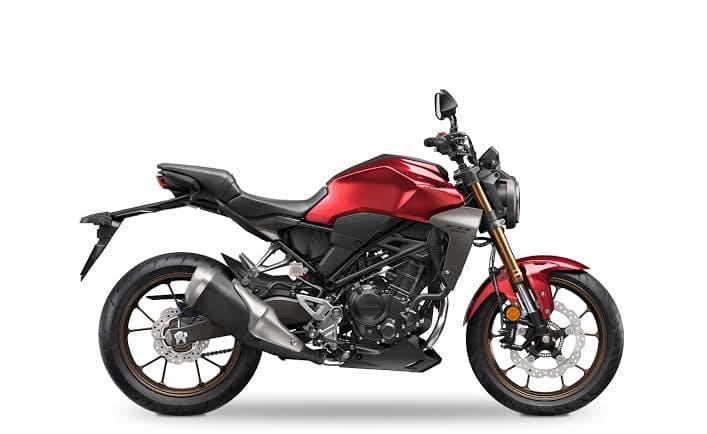
Best for: urban riders.
If your riding will mostly involve commuting and weekend rides, the CB300R is hard to fault. Its light weight and neutral ergonomics make it one of the easiest motorcycles to ride confidently. Engine: 286cc.
8. CFMOTO 450NK
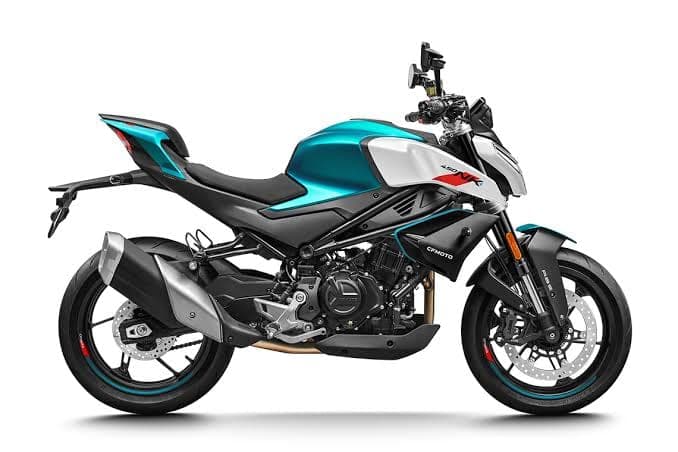
Best for: riders seeking value.
CFMOTO has become an increasingly popular option in the beginner market by offering modern features at competitive prices. The 450NK is often recommended as a strong value choice for new riders. Engine: 449cc.
9. Yamaha YZF-R3
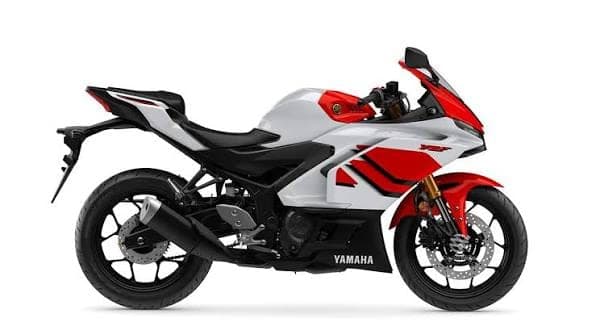
Best for: future sport bike enthusiasts.
The R3 looks like a supersport motorcycle, but its manageable power and predictable handling make it much friendlier than its appearance suggests. Engine: 321cc.
10. BMW G 310 GS
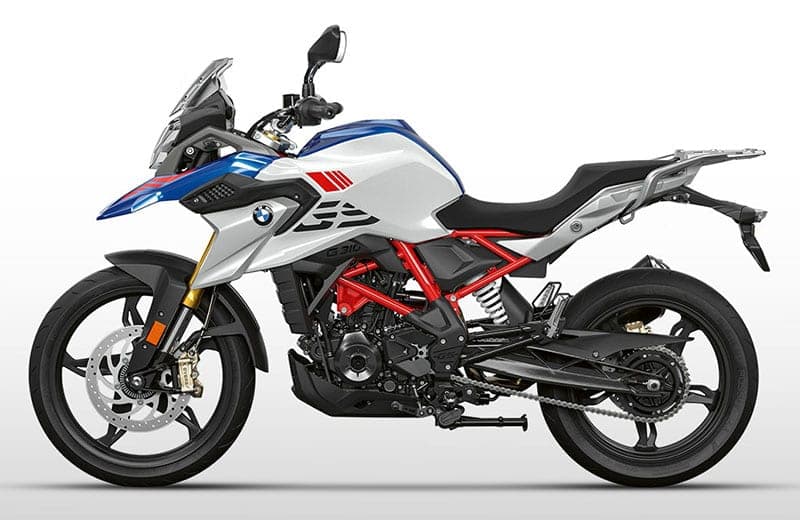
Best for: adventure riders.
Dreaming of exploring gravel roads and weekend escapes? The G 310 GS gives beginners an accessible introduction to adventure motorcycling without the size and weight of larger adventure bikes. Engine: 313cc.
New or Used?
If you're buying your first motorcycle, don't overlook the used market. A well-maintained used motorcycle can save you thousands of dollars while giving you the opportunity to learn without worrying about every small scratch or accidental tip-over. If you buy used:
- Ask for the service history.
- Inspect the tires, chain, and brakes.
- Check for crash damage.
- If you're unsure, have a trusted mechanic inspect the bike before you buy.
Save Money for Riding Gear
One of the biggest mistakes beginners make is spending their entire budget on the motorcycle itself. Remember to budget for:
- A quality helmet
- Riding jacket
- Gloves
- Riding boots
- Insurance
- Registration
- Regular maintenance
Good riding gear isn't an optional extra—it's part of the cost of owning a motorcycle.
Your First Motorcycle Should Build Confidence
It's easy to feel pressure to buy the biggest or fastest motorcycle you can afford. Resist that temptation. The riders who progress the fastest are usually the ones who start with motorcycles they can comfortably control.
A lighter, forgiving motorcycle will help you develop better habits, improve your confidence, and make every ride more enjoyable. The goal isn't to impress people on your first day of riding. The goal is to become a rider who still loves getting on two wheels years from now. When you're ready to ride with others, our beginner's guide to group motorcycle riding is the next step.
Frequently Asked Questions
Is a 600cc motorcycle good for a beginner?
Some 600cc motorcycles are manageable, but many 600cc sport bikes produce significantly more power than most beginners need. A motorcycle in the 300cc–500cc range is often a more confidence-inspiring place to start.
Will I outgrow a 300cc motorcycle?
Eventually, perhaps—but that's not a bad thing. Your first motorcycle is meant to teach you skills. Many riders happily spend several years on a 300cc or 400cc bike before upgrading.
Should I buy a new or used motorcycle?
Both have advantages. New motorcycles offer warranties and the latest features, while used motorcycles often provide better value and lower depreciation.
Do beginners need ABS?
If it's available, yes. Anti-lock Braking Systems (ABS) can help riders maintain control during emergency braking and are widely recommended for new riders.