
How to Choose Your First Motorcycle: A Beginner's Buying Guide
Buying your first motorcycle is exciting. It's the beginning of a new adventure, one that offers freedom, confidence, and the opportunity to experience the road in a completely different way.
But choosing your first bike can also feel overwhelming. With so many styles, engine sizes, brands, and opinions, it's easy to wonder where to start.
The truth is, there isn't one motorcycle that's perfect for every beginner. The best first motorcycle is the one that matches your experience, riding goals, and comfort level. This guide will help you make an informed decision before you buy.
Think About How You'll Ride
Before comparing motorcycles, ask yourself a simple question: what type of riding will I be doing most of the time? Your answer will influence almost every buying decision. For example:
- Daily commuting
- Weekend leisure rides
- Long-distance touring
- Adventure riding
- Off-road riding
- Group rides with friends
A motorcycle that's ideal for city commuting may not be comfortable for cross-country touring, while an adventure bike may be unnecessary if you'll rarely leave paved roads.
Start With a Manageable Engine Size
One of the biggest mistakes new riders make is buying more motorcycle than they can comfortably handle. While engine size isn't the only factor that affects performance, it plays an important role. As a general guide:
- 125cc–300cc: great for learning and city riding.
- 300cc–500cc: a popular range for many new riders who want more versatility.
- 500cc–650cc: suitable for confident beginners with proper training, depending on the motorcycle's design and power delivery.
Remember, a lighter motorcycle that builds your confidence is often a better choice than a powerful bike that feels intimidating.
Choose a Motorcycle You Feel Comfortable On
You should feel confident every time you stop, park, or maneuver your motorcycle. When sitting on a bike, check that you can:
- Reach the handlebars comfortably.
- Place at least the balls of both feet on the ground.
- Operate the controls without stretching.
- Lift the motorcycle off its side stand confidently.
Comfort builds confidence, especially during your first few months of riding.
Consider the Motorcycle's Weight
Weight is often overlooked by first-time buyers. A heavier motorcycle can feel stable at highway speeds but may be difficult to handle when parking, making U-turns, or riding at low speeds. Lighter motorcycles are generally easier to control while you're still developing your skills.
New or Used?
Both options have advantages.
Buying New
Pros:
- Manufacturer warranty
- Latest safety features
- No previous wear and tear
Cons:
- Higher purchase price
- Faster depreciation
Buying Used
Pros:
- Lower cost
- Better value
- Ideal for learning without worrying about minor scratches
Cons:
- Maintenance history may vary
- May require repairs sooner
If you're buying used, consider having the motorcycle inspected by a qualified mechanic before completing the purchase.
Don't Forget Safety Features
Modern motorcycles often include features that can help beginners ride more safely. Look for models with:
- ABS (Anti-lock Braking System)
- Traction control (where available)
- Good lighting
- Reliable brakes
- Comfortable riding position
ABS is particularly valuable for new riders because it can help maintain control during emergency braking.
Budget Beyond the Motorcycle
The purchase price is only part of the cost of owning a motorcycle. You'll also need to budget for:
- Helmet
- Riding jacket
- Gloves
- Boots
- Insurance
- Registration
- Maintenance
- Fuel
- Security equipment
Planning for these expenses helps you avoid surprises after bringing your motorcycle home.
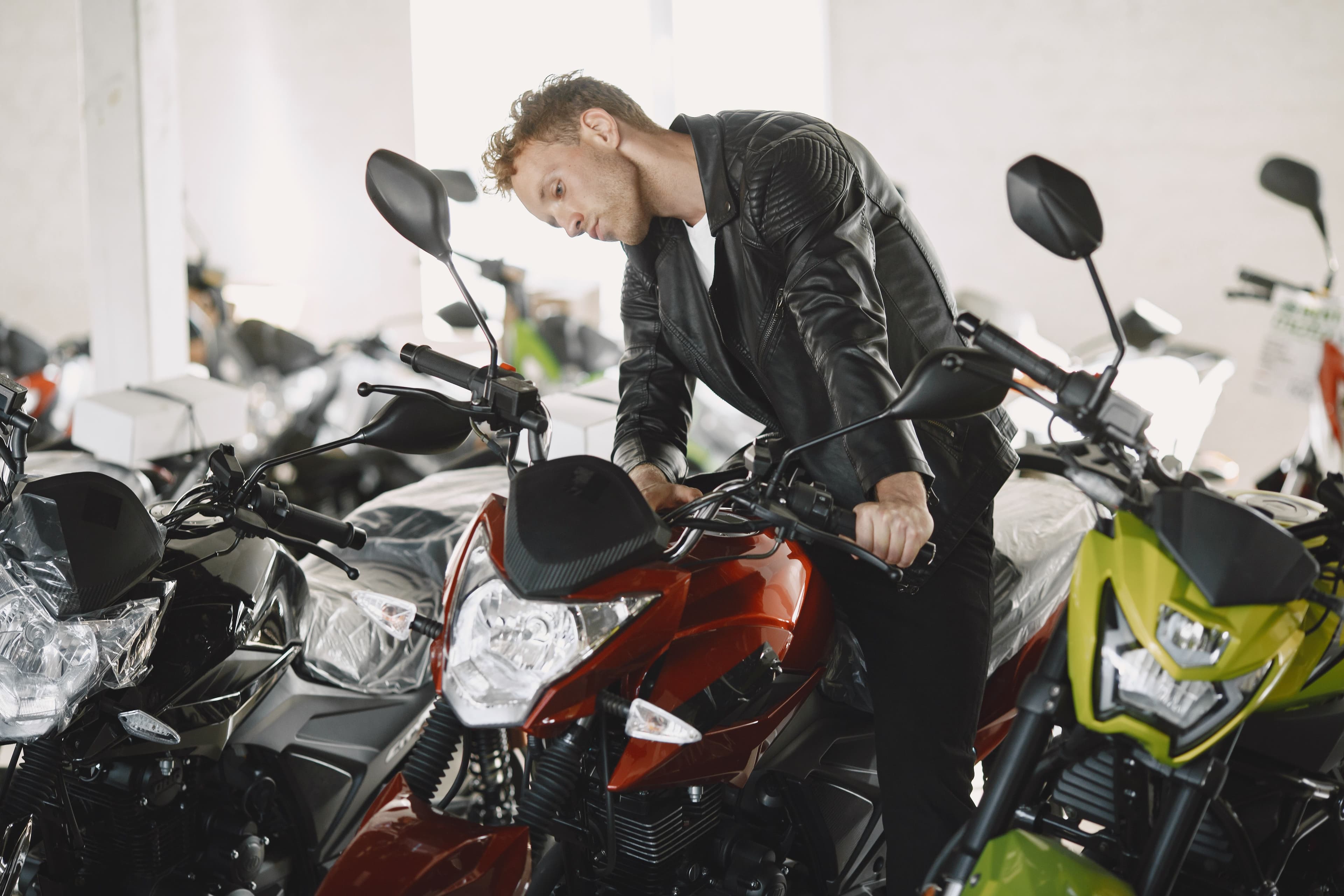
Test Ride If Possible
A motorcycle that looks perfect online may feel completely different once you're sitting on it. If possible:
- Visit dealerships.
- Sit on different models.
- Compare riding positions.
- Take a test ride if permitted.
The motorcycle that feels the most comfortable often becomes the best choice.
Don't Buy Based on Looks Alone
It's easy to fall in love with a motorcycle because of its appearance. But your first bike should prioritize:
- Comfort
- Confidence
- Control
- Reliability
You'll enjoy riding far more if your motorcycle matches your skill level than if it simply looks impressive.
Talk to Experienced Riders
One of the best ways to learn is by asking people who have already been through the process. Visit local riding groups, dealerships, motorcycle events, or online communities to hear about real-world experiences.
Most riders are happy to share advice with someone buying their first motorcycle.
Your First Motorcycle Doesn't Have to Be Your Last
Many experienced riders didn't keep their first motorcycle forever. Your first bike is a learning tool. As your confidence and skills grow, your riding preferences may change too.
Choose a motorcycle that helps you become a safe, capable rider—not one you feel pressured to "grow into."
Final Thoughts
Choosing your first motorcycle is about finding the right fit, not the biggest engine or the most eye-catching design. Focus on comfort, confidence, safety, and the type of riding you plan to do most often.
The right motorcycle will help you build experience, enjoy every mile, and give you the confidence to explore new roads and meet other riders along the way. And when you're ready to join your first group ride, our beginner's guide to group motorcycle riding covers what to expect on the day.
Frequently Asked Questions
What is the best first motorcycle for beginners?
The best first motorcycle is one that matches your height, experience, and intended riding style. Many beginners start with lightweight motorcycles in the 300cc–500cc range because they offer a balance of performance and manageable handling.
Should I buy a new or used motorcycle?
Both are good options. A new motorcycle offers a warranty and modern features, while a used motorcycle can provide better value and lower upfront costs.
Is a 600cc motorcycle too much for a beginner?
It depends on the motorcycle. Engine size alone doesn't tell the whole story, but many 600cc sport bikes have performance that can be challenging for new riders. It's generally better to choose a motorcycle that builds confidence rather than one that feels intimidating.
How much should I spend on my first motorcycle?
Set a budget that includes not only the motorcycle but also protective gear, insurance, maintenance, and registration costs.